Fresh daily
AI News
Latest AI tool releases, research breakthroughs, and industry news.
Older

Data for Agents

ChatGPT’s upgraded voice mode is better at shutting up
OpenAI is overhauling ChatGPT's voice mode with a new model that it says is more like "talking to another person." The new GPT-Live-1 is designed to interrupt you less and will also wait for you to continue speaking if you pause mid-conversation. During a press briefing, OpenAI researcher lead Kundan Kumar called GPT-Live-1 the company's "smartest voice model" yet. It will automatically pass your queries to its best text models, like GPT-5.5, when it needs to reason or search the web, allowing it to more quickly transition from researching the topic you've asked about to talking about its findings. The upgraded model will also supplement co … Read the full story at The Verge.
OpenAI releases new voice models for more natural live conversations
OpenAI says its new voice mode can speak and listen at the same time, a key ability for live translation.
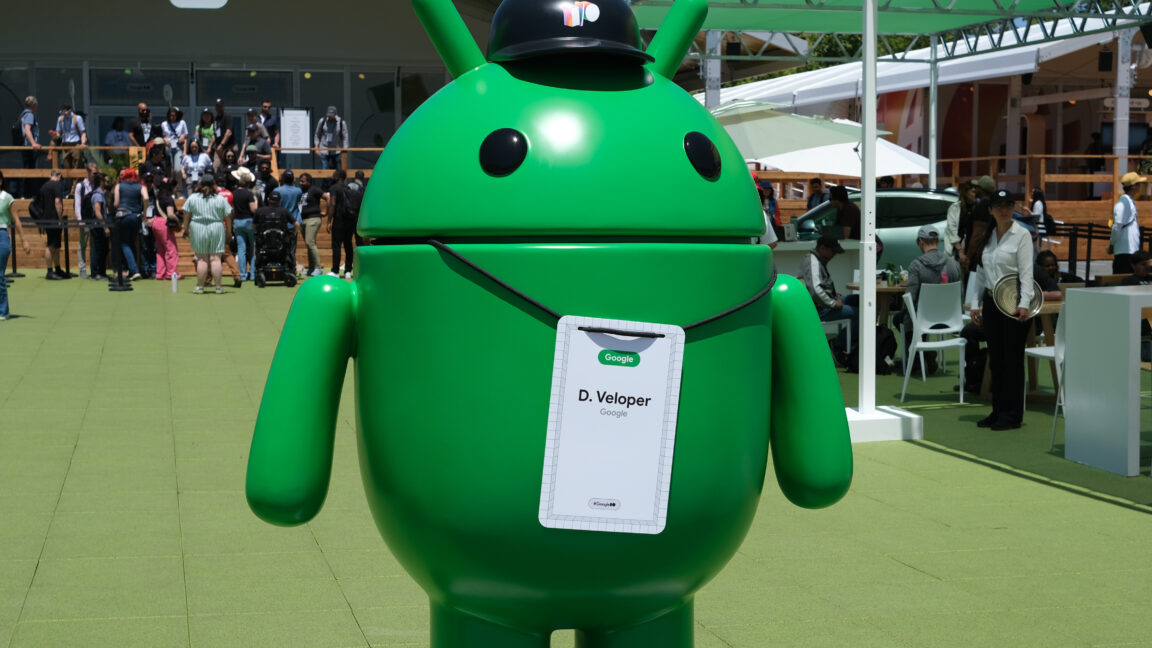
Google updates Android Bench with new LLMs, but Gemini still lags behind
Android Bench is evolving, and developers can help guide that process.

How GitHub Copilot enables zero DNS configuration for GitHub Pages
Go from an empty repository to a live custom domain with HTTPS in about 14 minutes, without manually editing a single DNS record. The post How GitHub Copilot enables zero DNS configuration for GitHub Pages appeared first on The GitHub Blog.
Our approach to government and national security partnerships
Learn how OpenAI approaches government and national security partnerships, with principles for responsible AI use, democratic accountability, and public safety.
Separating signal from noise in coding evaluations
A new analysis from OpenAI reveals issues in SWE-Bench Pro, a popular coding benchmark, raising concerns about reliability and accuracy in evaluating AI models.
Hot French startup ZML releases free product to speed inference across lots of AI chips
ZML, a hot French AI startup endorsed by Turing Award winner Yann LeCun, has now released ZML/LLMD, software that could make running AI less costly.
AI chip maker SambaNova raises $1B at $11B valuation, 5 months after last mega round
AI chip maker SambaNova has raised at an $11B valuation months after Intel was rumored to be trying to buy it for about $1.6 billion.

Hackers can use 9 of the most popular AI tools to assemble massive botnets
"HalluSquatting" weaponizes LLMs' inability to say "I don't know."
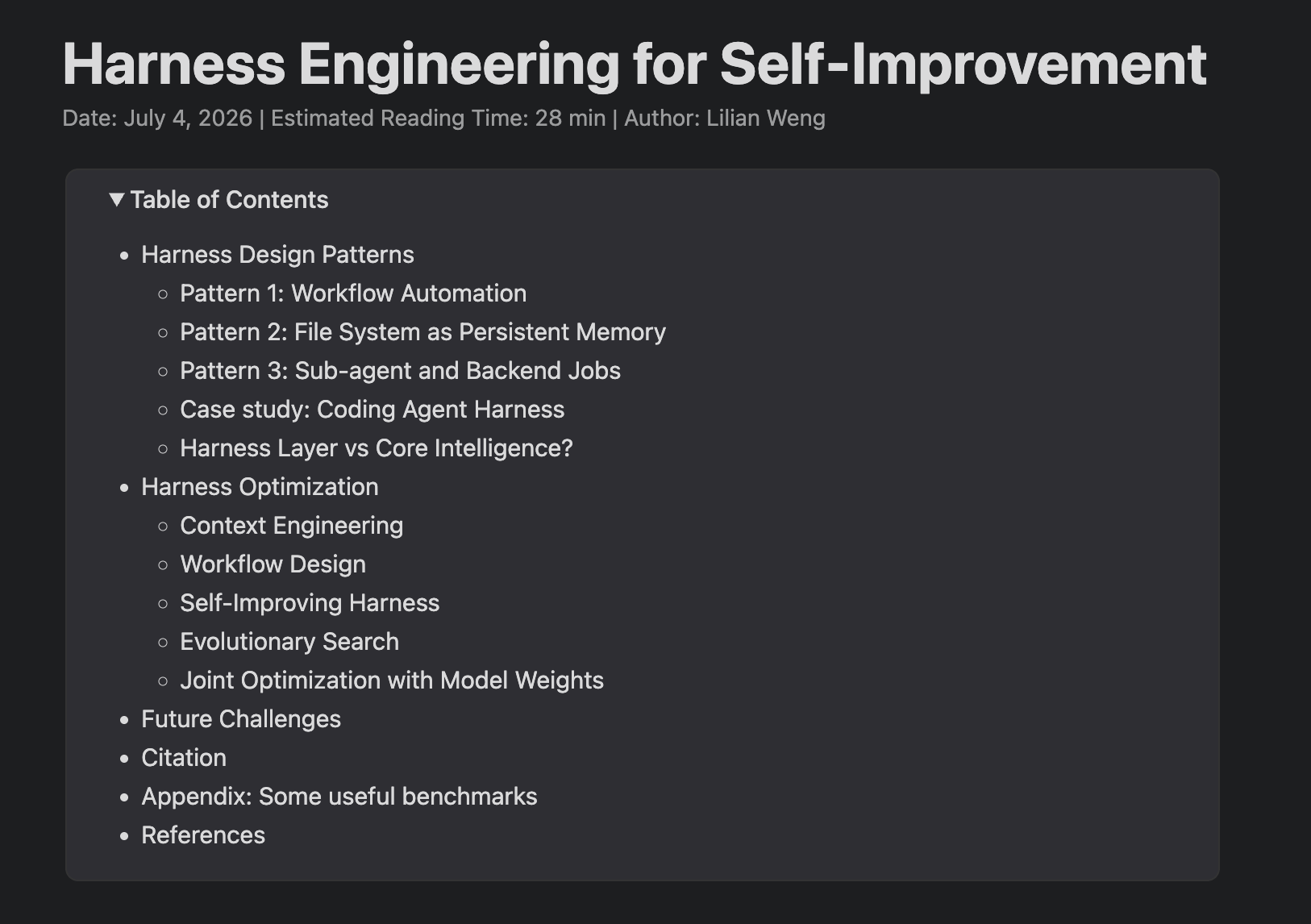
[AINews] Lilian Weng summarizes 35 papers on Harness Engineering for RSI
a quiet day lets us read some condensed insight

Native-speed vLLM transformers modeling backend
Introducing GPT-Live
A new generation of voice models for natural human-AI interaction, now powering ChatGPT Voice.
Meta rolls out Muse, a new AI image generator
The new image-generating model has numerous use cases, including advertising, decorating and creator-based opportunities.

From Hugging Face to Amazon SageMaker Studio in one click

Meta’s new Muse Image model can pull other Instagram users into AI photos
Meta is launching the first AI image generation model made by its Superintelligence Labs division. The Muse Image model now powers the image-making tools across the Meta AI app, Instagram, and WhatsApp, and it's coming soon to Facebook and Messenger, according to an announcement on Tuesday. It's part of the growing Muse family of AI models that replace Meta's Llama lineup. Alexandr Wang, who Meta hired to head up its Superintelligence Labs last year, says on Threads that Muse Image is "agentic," meaning it works with its Muse Spark large language model "to reason through your prompt, search the web, and plan before it generates." Meta is al … Read the full story at The Verge.
Microsoft joins AI cost-cutting trend by relying more on its own models
Microsoft is the latest Silicon Valley giant to cut back on its AI spending.
sqlite-utils 4.0, now with database schema migrations
This morning I released sqlite-utils 4.0 , the 124th release of that project and the first major version bump since 3.0 in November 2020. In addition to some small but significant breaking changes (described in this upgrade guide ), this version introduces three major features: database migrations , nested transactions (via a new db.atomic() method), and support for compound foreign keys . Database schema migrations using sqlite-utils Schema migrations define a sequence of changes to be made to a SQLite database, plus a mechanism for tracking which migrations have been applied and applying any that are found to be pending. Migrations are defined in Python files using the sqlite-utils Python library , which includes a powerful table.transform() method providing enhanced alter table capabilities that are not supported by SQLite's ALTER TABLE statement. ( table.transform() implements the pattern recommended by the SQLite documentation - create a new temporary table with the new schema, copy across the data, then drop the old table and rename the temporary one in its place.) Here's an example migration file which creates a table called creatures , adds an additional column to it in a second step, then changes the types of two of the columns in a third: from sqlite_utils import Migrations migrations = Migrations ( "creatures" ) @ migrations () def create_table ( db ): db [ "creatures" ]. create ( { "id" : int , "name" : str , "species" : str }, pk = "id" , ) @ migrations () def add_weight ( db ): db [ "creatures" ]. add_column ( "weight" , float ) @ migrations () def change_column_types ( db ): db [ "creatures" ]. transform ( types = { "species" : int , "weight" : str }) Save that as migrations.py and run it against a fresh database like this: uvx sqlite-utils migrate data.db migrations.py Then if you check the schema of that database: uvx sqlite-utils schema data.db You'll see this SQL: CREATE TABLE " _sqlite_migrations " ( " id " INTEGER PRIMARY KEY , " migration_set "
Discord admits AI moderation bug wrongfully banned users over harmless images
The company confirmed that the issue had been affecting accounts since May, with an additional 200 users banned over the weekend before its team identified and fixed the problem.

Anthropic is launching Claude Cowork on mobile and web
Starting Tuesday, Anthropic's Claude Cowork AI platform will be available on mobile and web for the first time. The expanded access is rolling out first to Max subscribers and coming to Claude users on other plans "in the coming weeks." Claude Cowork was previously only accessible through the Claude desktop app for macOS and Windows, but now users on iOS and Android can also use it. However, Anthropic says the "full experience" for Cowork will still be on the desktop app, including features like local file access. Cowork sessions will also now run in the cloud by default, so you can continue them across different devices or run Cowork ta … Read the full story at The Verge.