Fresh daily
AI News
Latest AI tool releases, research breakthroughs, and industry news.
Older
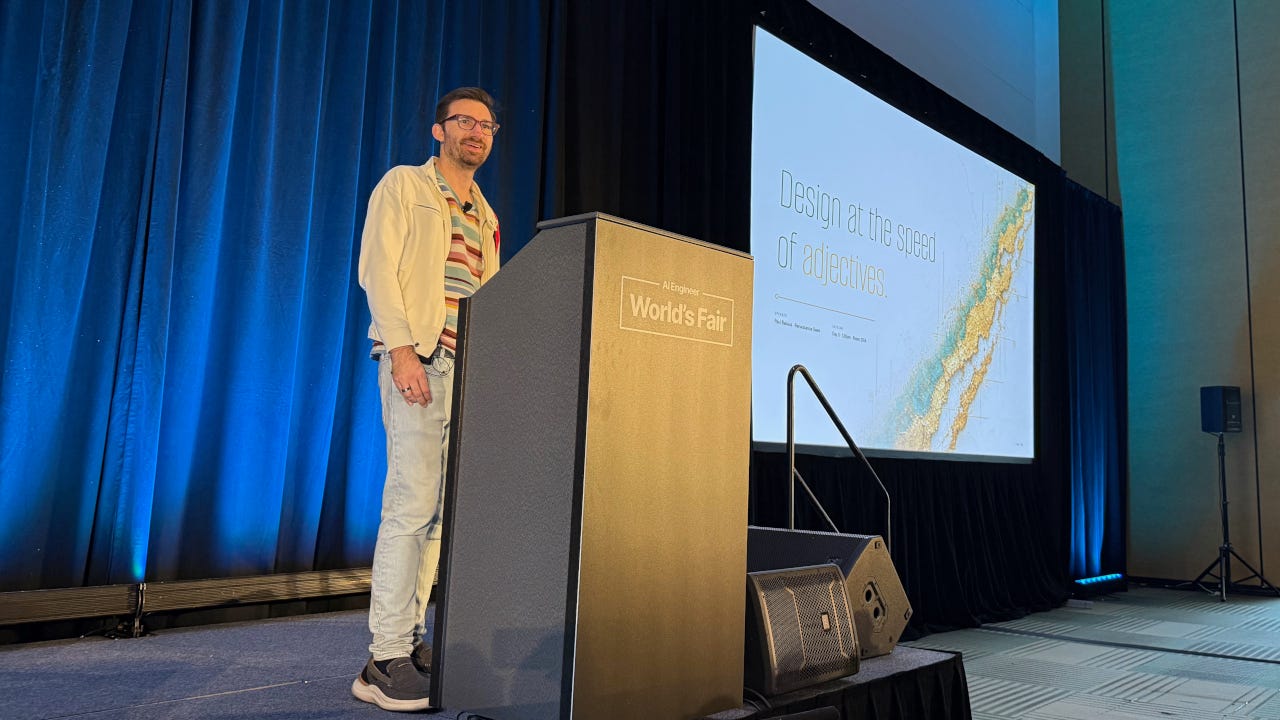
Skill engineering and the case against one-shot AI design
Paul Bakaus talks to us about Impeccable, human judgment in a 'loopmaxxing' era, and why agents still need people to steer them.

Microsoft launches its own AI deployment company with $2.5 billion commitment
Microsoft follows Amazon, OpenAI and Anthropic with its new AI deployment group.

Teaching AI to run with the turbines
Artificial intelligence may have captured the public imagination through chatbots and image generators, but some of its most consequential use cases are unfolding far from consumer-facing tools. In industries where physical infrastructure, operational continuity, and safety are paramount, AI is becoming a core operating layer. With its sprawling industrial systems and constant stream of operational…
Building the foundation for an autonomous enterprise
Artificial intelligence may have captured the public imagination through chatbots and image generators, but some of its most consequential use cases are unfolding far from consumer-facing tools. In industries where physical infrastructure, operational continuity, and safety are paramount, AI is becoming a core operating layer. With its sprawling industrial systems and constant stream of operational…

Yep, we’re using OpenClaw to date now
Ben Guez has "a bunch of potential international wives in [his] DMs," thanks to an automated script he set up using OpenClaw, Claude code, and Instagram trials.

OpenAI floats giving Trump administration 5 percent cut of AI boom
OpenAI has floated giving the US government a 5 percent ownership stake as a way of easing tensions with the Trump administration and blunting mounting public backlash against AI, according to the Financial Times. CEO Sam Altman argued that giving the public a financial interest in the company would be the best way to share the upside of AI, the FT reported, citing two unnamed people familiar with the talks. He's said to have first pitched the idea to Trump early last year. Altman reportedly suggested the 5 percent figure. Based on OpenAI's latest funding round, which ended with the company valued at $852 billion, that stake would be worth … Read the full story at The Verge.

Indian tech tycoon bets $30M of his own money to build AI alternative to Microsoft Office
Neo is Bhavin Turakhia’s fifth venture and his latest involving enterprise software. This time he's taking on Microsoft Office, Google Apps with AI.
More details on Fable 5’s cyber safeguards and our jailbreak framework
More details on Fable 5’s cyber safeguards and our jailbreak framework
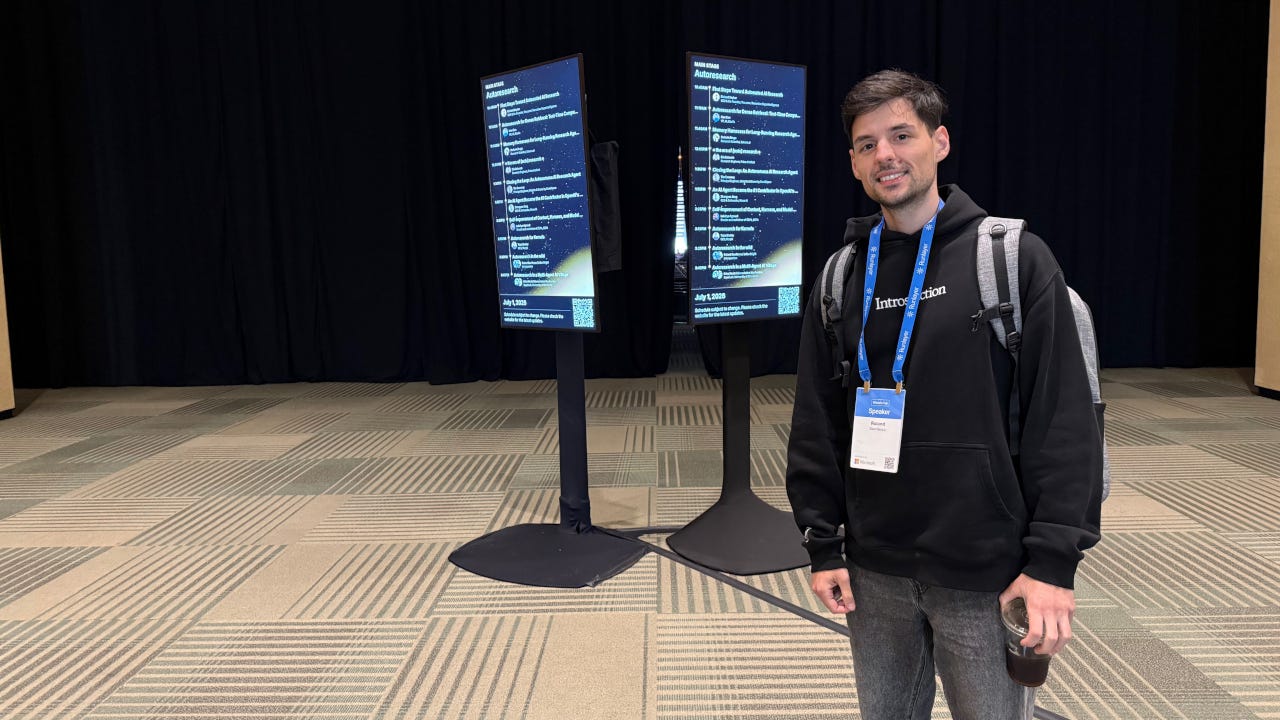
Autoresearch: The feedback loop behind self-improving agents
Introspection co-founder Roland Gavrilescu explains autoresearch, agent “recipes,” self-improving loops, and why humans remain central to the software factory.
T-Mobile moving tens of thousands of virtual machines off VMware amid lawsuit
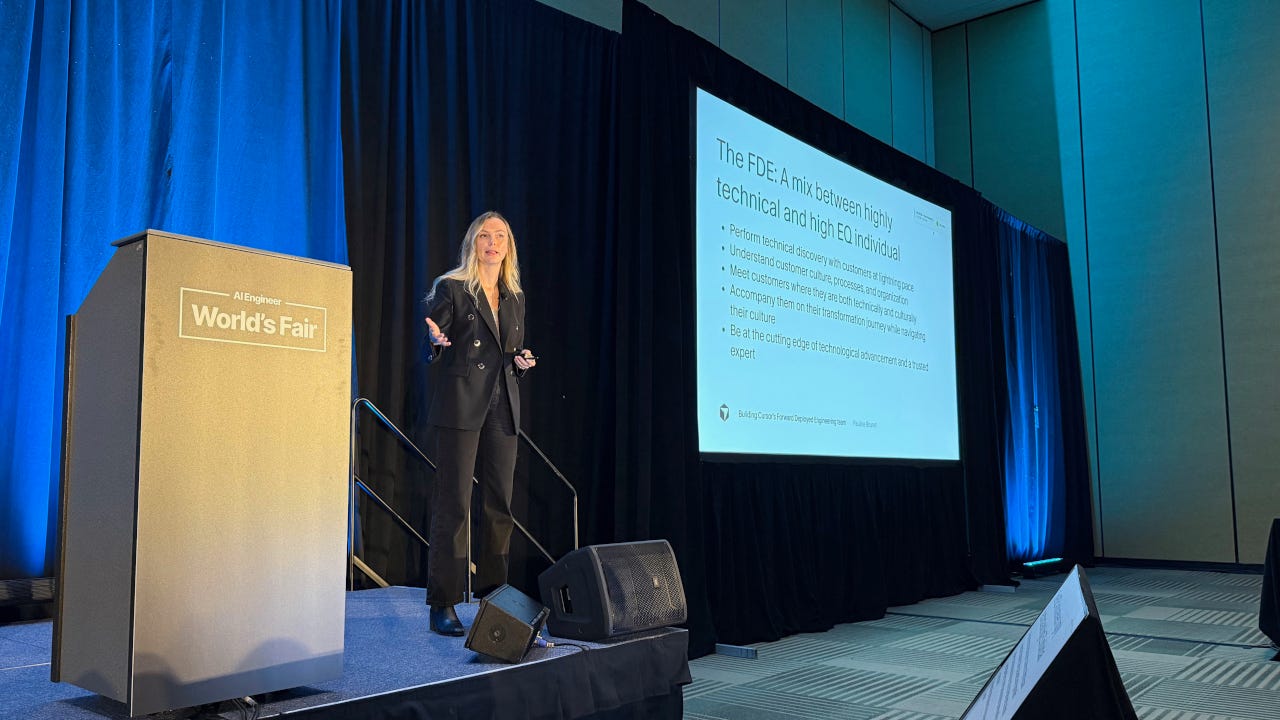
How Cursor deploys AI inside the enterprise
Cursor's Pauline Brunet explains how her team of Forward Deployed Engineers help organizations implement agents — essentially setting up software factories.

SpaceX has an AI device prototype, and it sure sounds phone-ish
SpaceX reportedly showed investors a "handset-like" AI device before going public. It could be another signal SpaceX wants to expand into wireless.

Ashton Kutcher leaving Sound Ventures to launch new VC firm with Morgan Beller
The actor and investor is joining forces with Morgan Beller, who was previously a GP at NFX, to invest in early-stage startups.

The latest AI news we announced in June 2026
Here are Google’s latest AI updates from June 2026.

Cloudflare’s new policy pushes AI companies to pay for publishers’ content
Cloudflare is giving AI companies until September 15 to separate web crawlers used for search from those used for AI training and agents, or risk being blocked by default on many publisher sites.
After spooking Trump into safety testing, Anthropic AI models get global release
US lifts curbs on Anthropic’s advanced Fable and Mythos models.

New York City educators and industry leaders gathered at Google’s offices to shape the future of AI in classrooms.
Google, the New York Jobs CEO Council and Urban Assembly hosted an AI summit for 150 education and industry leaders.

6 security settings every GitHub maintainer should enable this week
These six free settings will not make your project unhackable. Nothing will. What they will do is close the easy doors. Turn these on, and your project will be meaningfully harder to attack than it was before. The post 6 security settings every GitHub maintainer should enable this week appeared first on The GitHub Blog.

LLMs are stuck in a groupthink groove. This startup is trying to get them out.
Let’s start with a game. Open up your chatbot of choice—Claude, ChatGPT, Gemini—and type “Give me a random number between 1 and 10.” You’re going to get 7. Almost always. Now type “Another” and you’ll get 3 or 4. Type “Another” again and you’ll get 8 or 9. That won’t work every time—but if it…

Venice AI becomes a unicorn with $65M Series A as its privacy-first AI platform takes off
Venice AI is already profitable, with annualized run-rate revenues of over $70 million, CEO Erik Voorhees said.