opinion
Skill engineering and the case against one-shot AI design
Builders need to recognize that one-shot AI design often fails in practice; designing for iteration and human oversight is key to building reliable AI workflows.
What happened
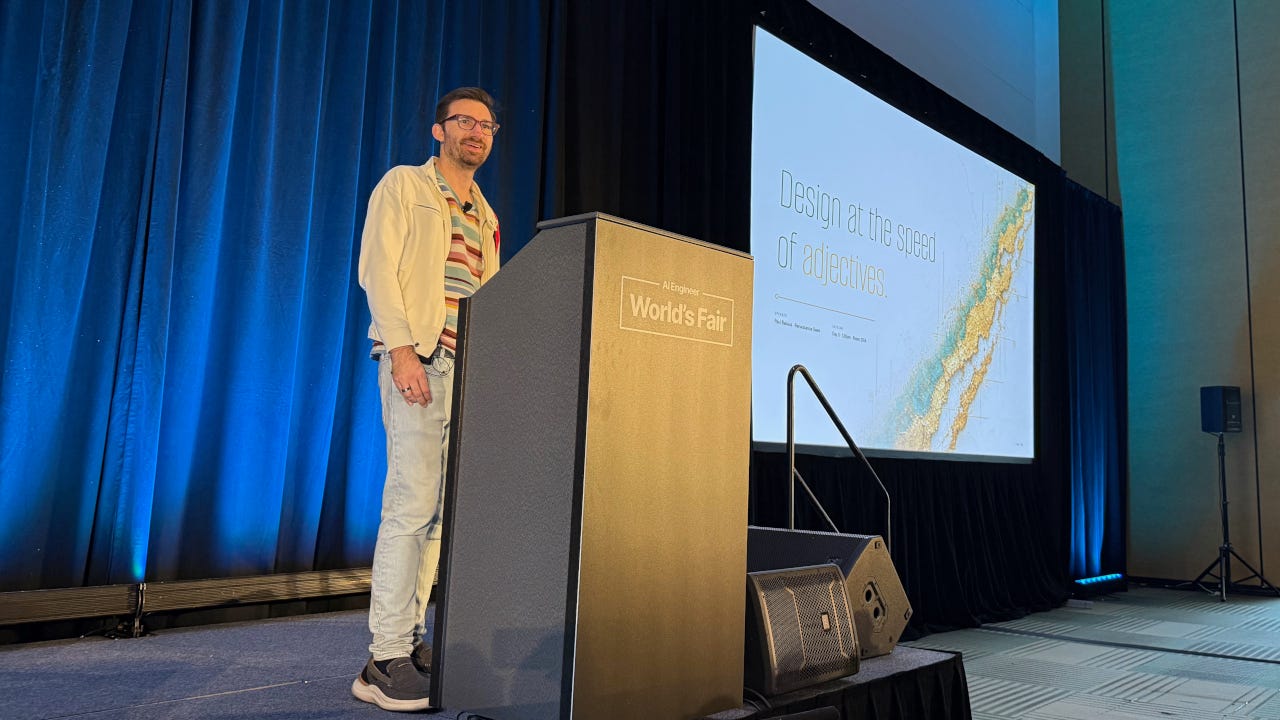
In a recent discussion on Latent Space, Paul Bakaus argued against the prevailing trend of one-shot AI design, where users expect a single prompt to deliver a perfect result. Instead, he advocates for 'skill engineering'—an iterative approach that Bakaus terms 'loopmaxxing'—which treats AI as a collaborator that requires ongoing human judgment to steer. Bakaus, who developed the Impeccable platform, emphasizes that even advanced agents need people in the loop to refine outputs, correct errors, and provide domain expertise. The conversation highlights a growing recognition that the most effective AI workflows are not fully automated but are designed as feedback loops between human intent and machine generation. For builders, this means prioritizing interfaces and pipelines that facilitate rapid iteration, such as chaining models and using visual tools to tweak intermediate results. The practical takeaway: investing in one-shot solutions is risky; instead, building flexible, human-in-the-loop systems yields more reliable and nuanced outcomes.
Key takeaways
- Paul Bakaus critiques one-shot AI design, advocating for iterative 'skill engineering' instead.
- He introduces 'loopmaxxing' as a method where humans continuously steer AI agents.
- Bakaus's Impeccable platform exemplifies human-AI collaboration with ongoing judgment.
- The piece argues that full automation of complex tasks is less effective than iterative refinement.
- Builders should design workflows that incorporate feedback loops rather than aiming for single-prompt perfection.
Why it matters
Builders need to recognize that one-shot AI design often fails in practice; designing for iteration and human oversight is key to building reliable AI workflows.
This is an original editorial digest by AI Workflow Center. Full reporting at the source:
Read the original on Latent SpaceMore AI news
All news →

Run Your Own AI Directory