research
IBM claims world’s first sub-1 nanometer chip technology
For AI workflow builders, denser and more efficient chips mean cheaper, faster inference and the ability to run larger models on personal hardware.
What happened
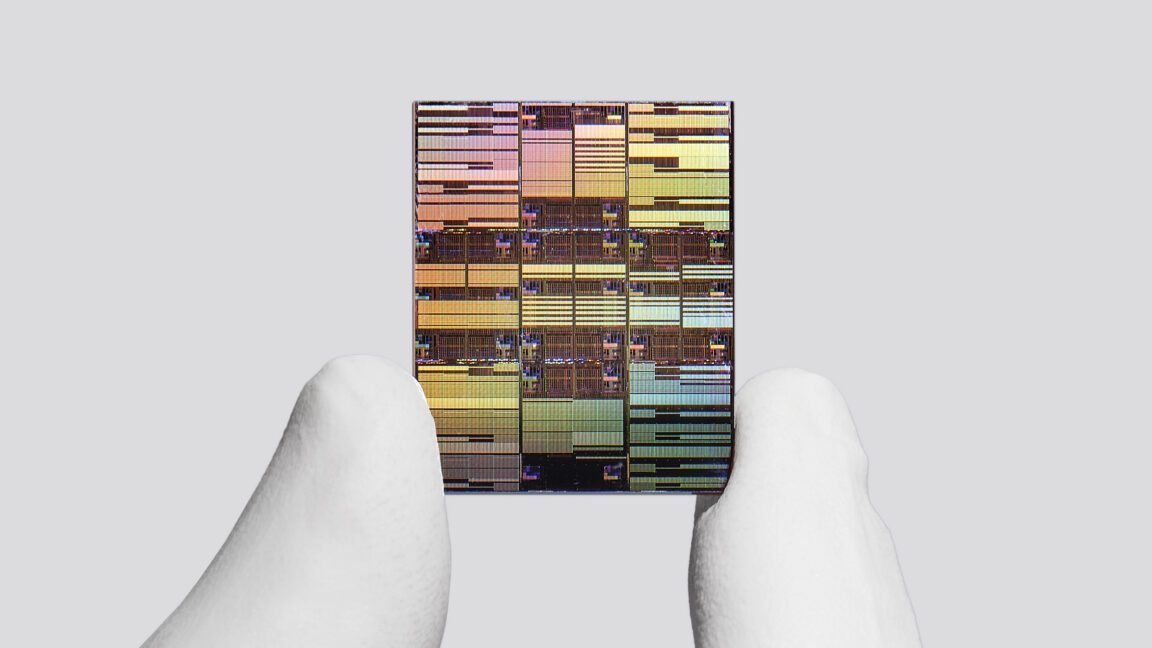
IBM has announced what it calls the world's first sub-1 nanometer chip technology, according to Ars Technica AI. The breakthrough relies on a novel transistor architecture where nanostructures are stacked vertically rather than laid flat, allowing for tighter packing of components. This could lead to chips that are either significantly faster or much more energy-efficient than current designs. For developers and solopreneurs building AI workflows, the practical implication is clear: more powerful hardware enables more complex models to run locally or in the cloud with lower latency and reduced power consumption. While the technology is not yet in production, it points to a future where AI inference and training can be done on more compact, affordable devices. The development underscores the ongoing race to shrink transistor sizes, which has historically followed Moore's Law. However, sub-1 nm manufacturing faces immense physical challenges, so commercial deployment remains years away. Still, for those building AI-heavy applications, keeping an eye on hardware innovations like this helps anticipate long-term shifts in compute cost and capability.
Key takeaways
- IBM claims to have built the first chip with sub-1 nm features using stacked nanostructure transistors.
- The technology could boost performance or cut energy use in future processors.
- Smaller transistors allow more compute density, directly benefiting AI workloads.
- Commercial availability is not imminent; the announcement is a research milestone.
Why it matters
For AI workflow builders, denser and more efficient chips mean cheaper, faster inference and the ability to run larger models on personal hardware.
This is an original editorial digest by AI Workflow Center. Full reporting at the source:
Read the original on Ars Technica AIMore AI news
All news →

Run Your Own AI Directory