funding
South Korea to spend $1T on more memory chip production and humanoid robots
This investment could lower memory chip costs for AI workloads and accelerate the availability of humanoid robot platforms, creating new integration opportunities for builders.
What happened
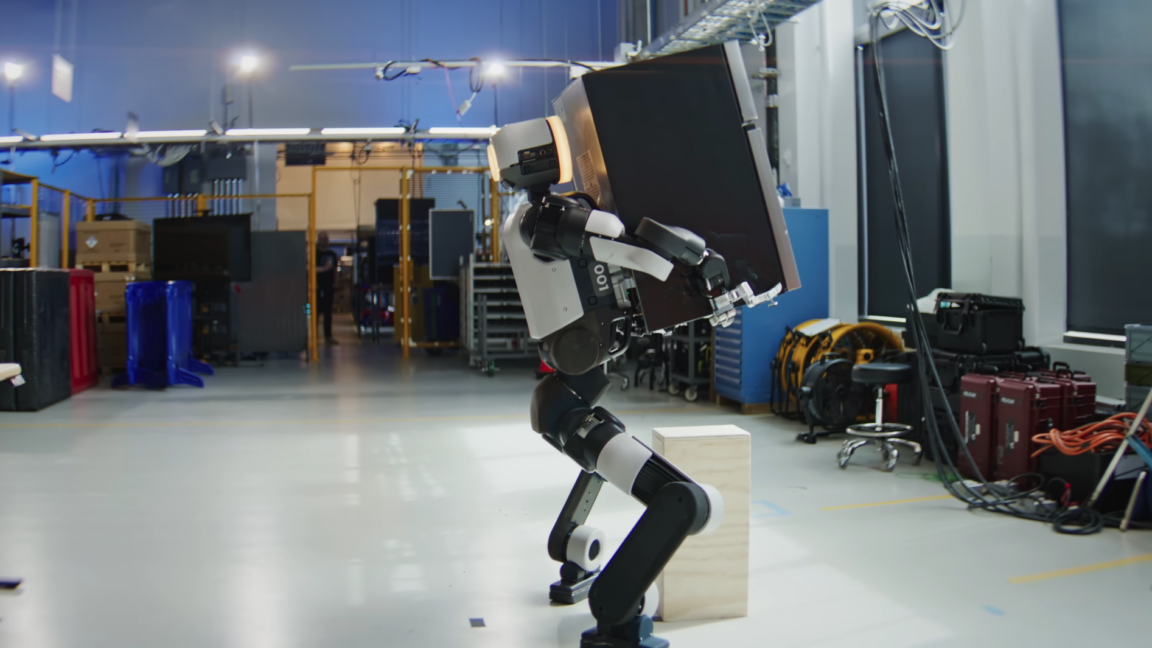
South Korea has announced a $1 trillion investment plan to boost memory chip production and develop humanoid robots, according to Ars Technica AI. The initiative targets commercial humanoid robots by 2028 and aims to establish the country as a leader in physical AI. This massive spending underscores the growing strategic importance of both semiconductors and embodied AI on the global stage. For builders running AI workflows, memory chips are the backbone of model training and inference, so increased production capacity could stabilize supply and reduce costs. Meanwhile, the push for humanoid robots signals a shift toward deploying AI in physical environments, opening new use cases for automation, manufacturing, and service industries. Developers may need to prepare for integrating AI models with robotic systems, possibly using frameworks like LangChain or task automation tools such as Zapier, though the announcement itself is more about infrastructure than specific software.
Key takeaways
- South Korea will invest $1 trillion in memory chip manufacturing and humanoid robot development.
- The government aims to achieve commercial humanoid robots by 2028 and lead in physical AI.
- Memory chips are essential for AI compute; this investment may affect global supply and pricing.
- The plan is part of a broader national strategy to compete in semiconductors and AI hardware.
- Humanoid robots represent a new frontier for deploying AI in real-world tasks.
Why it matters
This investment could lower memory chip costs for AI workloads and accelerate the availability of humanoid robot platforms, creating new integration opportunities for builders.
This is an original editorial digest by AI Workflow Center. Full reporting at the source:
Read the original on Ars Technica AIMore AI news
All news →

Run Your Own AI Directory